|
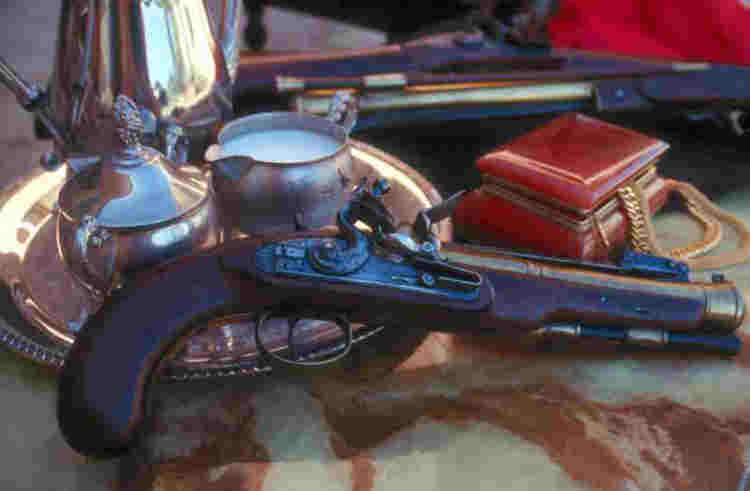
Quality English Setting... Jul 1997 [Canon EOS, slide]
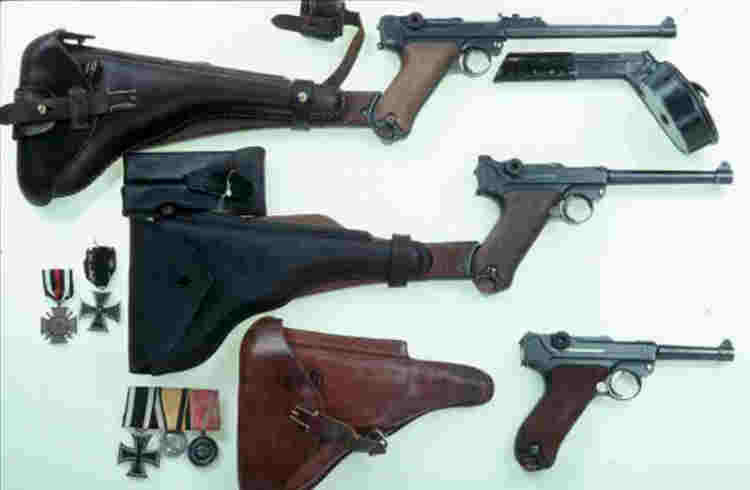
Some Simpson Ltd. Lugers... Oct 1998 [Canon EOS, slide]
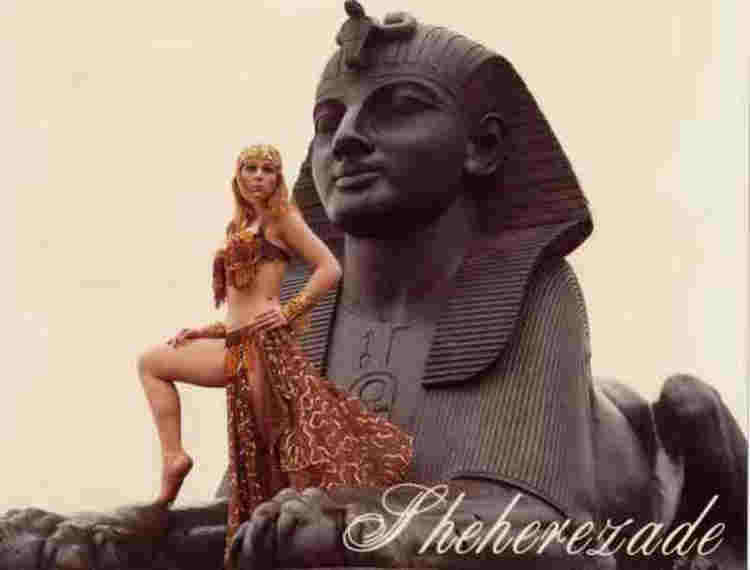
Thames Sphinx... Mar 1981 [Canon EOS, print]
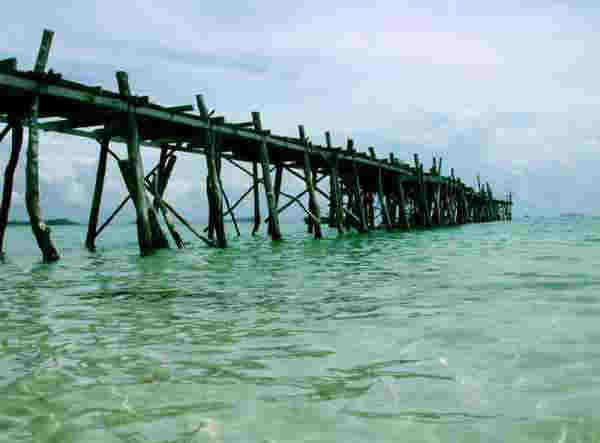
Pier at Koh Samed... Oct 2001 [Nikon
digital]
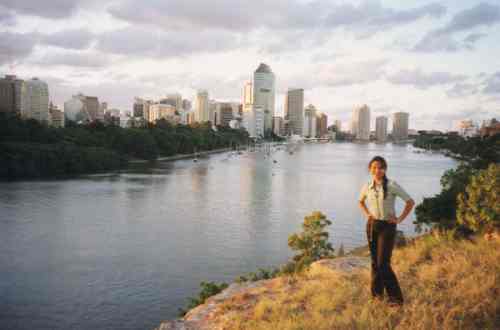
Brisbane riverside... Mar 1998 [Canon EOS, print]

Jomtien beach... Dec 1999 [Canon EOS, Ektachrome slide]

Cabarita surf... Oct 2002 [Canon EOS, Kodak Gold film]
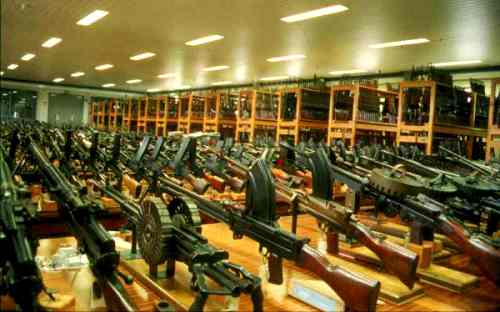
Ministry of Defence Pattern Room...
Sept 1999
[Canon EOS, slide]
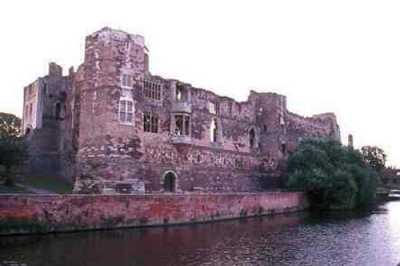
Ruined English castle...
Apr 1990 [Canon EOS, slide]
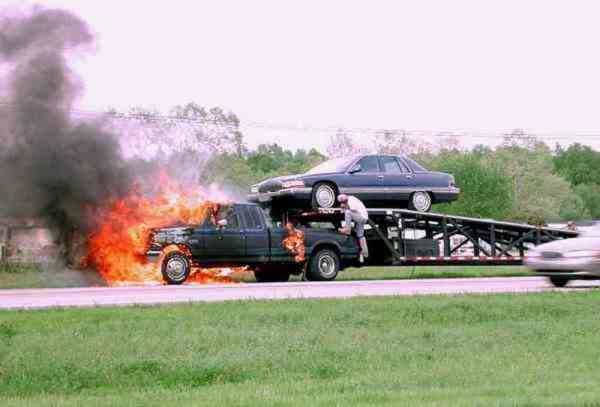
U.S. Interstate 40... Apr 2001 [Nikon digital]
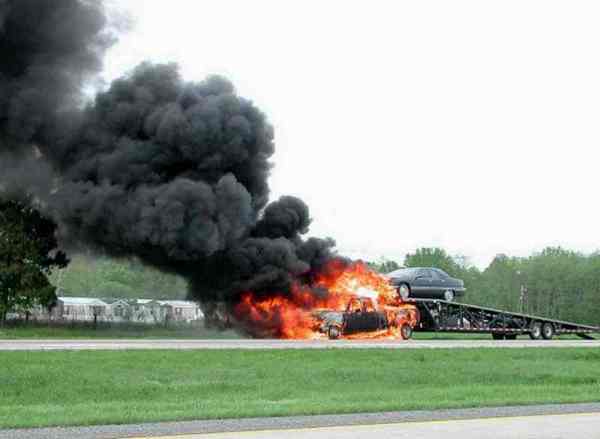
U.S. Interstate 40... Apr 2001 [Nikon digital]
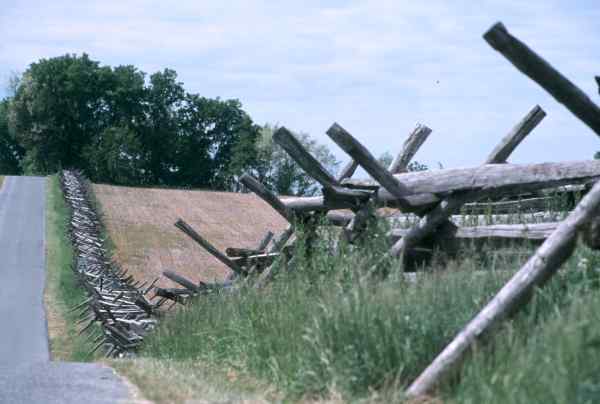
Civil War battlefield drive... May 2001 [Nikon digital]
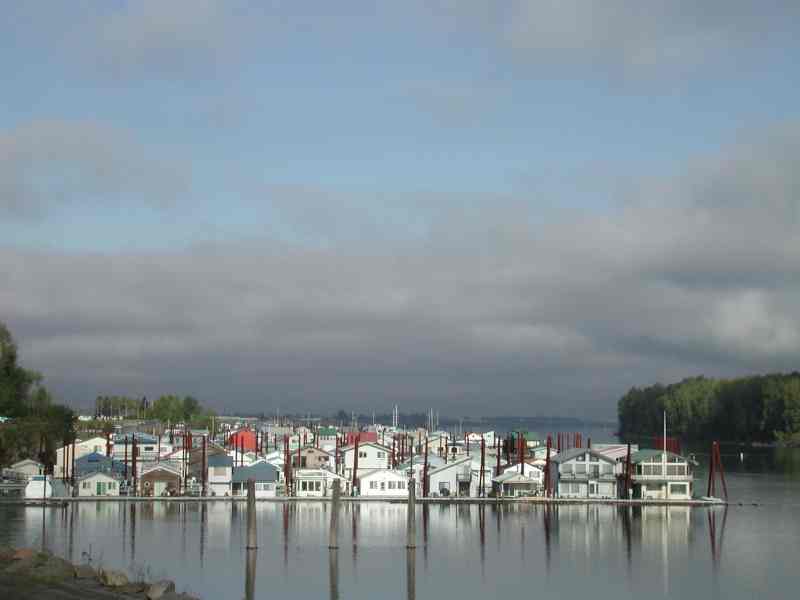
Columbia River, Portland... Apr 2003 [Nikon digital]
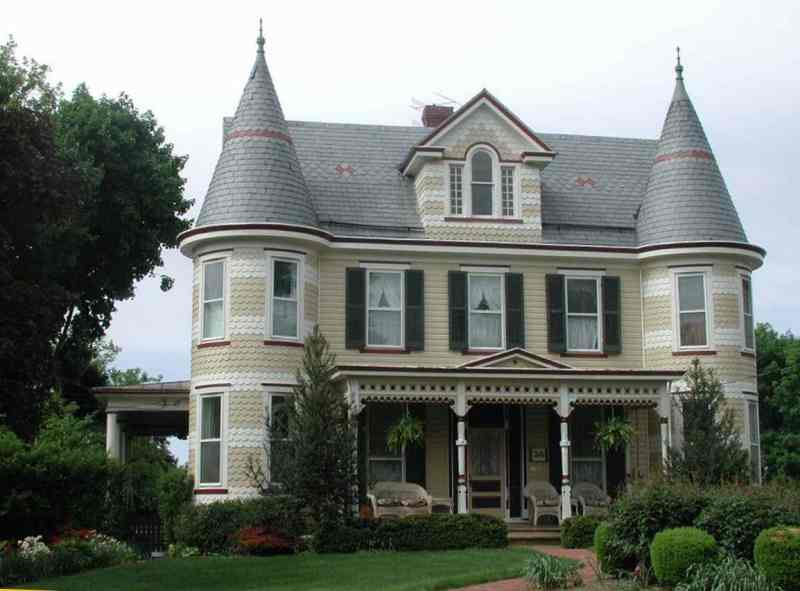
East coast architecture... Aug 2001 [Nikon digital]
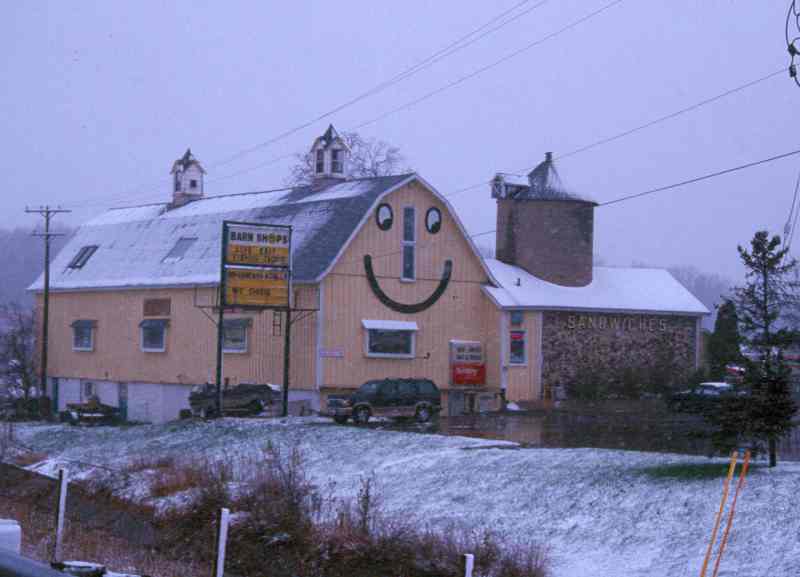
Highway I 94 , Michigan... Mar 2000 [Canon EOS, slide]
Good photography
comes with experience. While some great and effective shots result from mere 'accidents', the more photographs that you take, the better a photographer you
are likely to become. Many opportunist shots occur in the passage of everyday
life and travel, so a serious photographer should have at least one camera available all
of the time, at work and at play. Now that most mobile phones have a camera
facility, there is no limit to the opportunities although the picture quality is
compromised.
New
digital photography is wonderful for practice because any bad or marginal shots can be
deleted in camera; a full cartridge or card can have some frames deleted to make
room for
more shots as well. With digital, the results can be viewed instantaneously and
the
ongoing expenses and delays waiting for film to be developed are nil. About the
only expense is memory cards and batteries and many of these are re-useable.
Digital
disadvantages? These were slow generation time, limited
manual control and a higher incidence of out-of-focus shots. But the technology
has moved so rapidly that even serious photographers use little film today. Pictures can be readily shot again if
any aspect is not entirely satisfactory. The portrait shot of the startled
pheasant and pattern of shotgun barrels (above, right hand column) was made through a glass display case at
the Davis Museum in Claremore, Oklahoma. Using a digital camera permitted ready
viewing of the degree of reflection on the glass case front, which
enabled successive improvement of the
shot over three or four tries.
There are negligible running costs with
digital. Instant
loading onto a computer enables you to crop, colour balance, sharpen, add
effects and to print out or burn onto disc selected shots. Lower available light with digital
cameras is less of a problem compared with print and
slide. To print out digital photos at home using special paper a la commercial prints,
generally renders the unit cost per photo at nearly the same but you can choose which ones to print and also do a host of post-production
work which is not available at commercial labs, unless you pay through the
proverbial nose.
For
website posting of photos, any inexpensive digital is sufficient but for more serious work,
archiving or recording good detail of your collection, it is best to purchase a
camera with higher megapixel capability. With movie footage and U-tube now,
anyone can upload almost anything for viewing all around the world. As chips get
faster and technology advances, we are likely witnessing only the beginning of
the digital media revolution.
Subjects
are not usually spontaneous when trying to capture good portraits, especially
when dealing with (dare I say 'shooting') children or animals. The photographer needs to be inventive,
in suggesting or creating a mood which reflects in the shot. Idle hands are
often a problem, so give the subject something to play with, a toy, food, telephone,
a book to look at, et cetera. For facial expressions, verbal or physical
interaction between two people or more, crack a funny, or even say something rude. Anything
(almost) for a subjective response.
Open shade or an overcast day is best;
the direct sun makes people squint and another alternative, flash, usually looks
lifeless, rather flat and artificial. The flash effect can always be softened using high-speed
ASA settings, the automatic aperture and speed settings on a camera cut back the
intensity of the flash and there are better, less flash affected results. Or bounce
the flash off a
light coloured wall or ceiling, or else use an attached reflector or a soft box
over the flashlight lens.
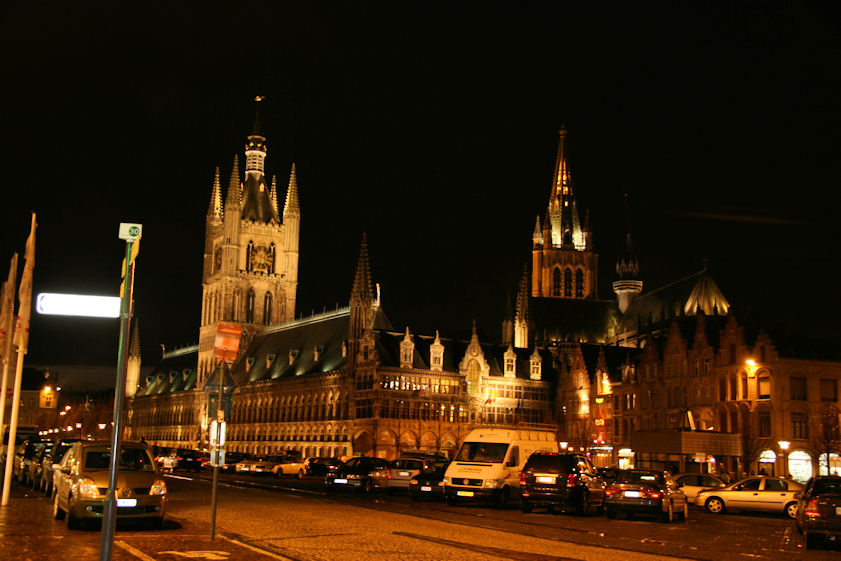
Ypres, Belgium... Nov 2006 [Canon EOS 40D]
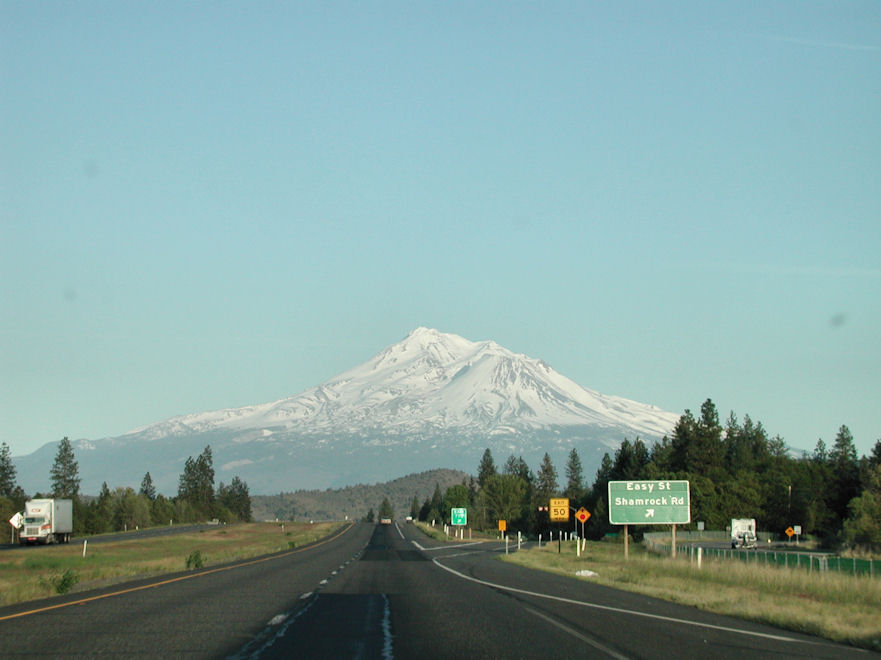
Mt. Shasta, Oregon... Oct 2003 [Canon EOS 30D]
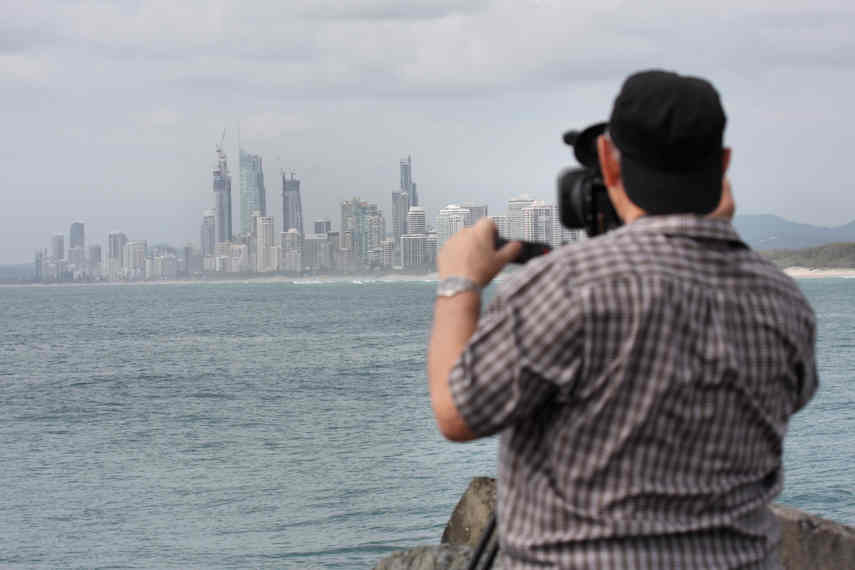
Gold Coast seaway... Nov 2011 [Canon EOS 60D]
The last three photos in each column are a 2013 update of the gallery, an additional few favourites
for the end of this album. While they are more high-def
digital, downsizing for the internet does not make them any more sharp,
colourful or detailed than the earlier film or transparency scans. We are now shooting
stills more relative to documentary movie production, in
conjunction with the 1080i Sony video format. While widescreen video is in
a 16:9 format, the original 4:3 stills format remains useful for pan and zoom in
movie editing, rather than shooting stills in the 16:9 dimension as well.
Enjoy your 'shooting'...

|
My favourite cameras... Canon
EOS 60D and more recently the Sony HXR NX5P. Favourite photo editing is via
Corel Paint Shop Pro. Pholix PhotoPhilia is
good for filing, sorting and thumbnail indexes... http://www.pholix.com
The new digital mediums have so many advantages and ever-fewer shortcomings compared with film. I
used to travel with three cameras... slide, print and digital but now I only use
the 60D. Digital video is advancing ahead in leaps and bounds too; one's
imagination is the only limit.
I rarely use a tripod
for stills and
seldom
used
professional grade film. Kodak had warm reds (skin tones and gun
stocks), Fuji for vibrant greens (landscapes). With new digital medium and
editing
programs, almost anything is possible. The only 'no-no's' with digital really
are overexposure (or drastic under exposure) and focus. No more worries about
carrying rolls of high speed and b&w film or waiting for labs to develop them,
with your fingers crossed.
Hand-held
is even more sure now with anti-shake features in some SLR lenses. One still
needs a steady hand
if you don't want to lug a tripod or even a monopod about but with digital
storage, we can review, re-shoot or delete at will. So wonderful, and no more
lab expenses!
Interior shots below of
the Enfield Pattern Room and subsequent MOD Nottingham on film were hand-held at f5.6 of f8 with speeds as slow as 1/2
second under
available fluoro light. To avoid motion blur at slow speeds, brace your
body against anything solid, stand with legs well apart for balance, tuck
your arms into your sides or rest an elbow on a wall or furniture, then slowly squeeze the shutter; like taking a long distance shot with a rifle,
breathing out slowly. Bracket or take a shot or two extra, just in case. Another
thought for great scenes, shoot portrait mode as well as landscape. How much the
perspective can change for the same scene!
Bracketing
is sensible if you are taking important photos or find that 'once on a trip'
shot. Bracket the f-stop so if your camera reads f5.6, then shoot
it at one stop over and one stop under too. The option of three different settings
is worth the extra insurance for correct exposure.
Shooting arms
& accoutrements, I prefer aperture priority set at f 8 for a regular depth of
field (focus). Rarely having the luxury of photo lights or glass table lit
from below, I prefer open shade or overhead light,
outside on an overcast day. A silver reflector board is a regular
accessory to fill in shadow. I find the best backgrounds are a steel grey or
mid-blue paper roll or window blind; this is only 1 f-stop off the object reading.
A white background gives 2 or 3 f-stops over the subject and false auto exposure
reading, making for dark subjects with less detail. Black backing paper
makes an interesting change and has the benefit of not requiring exposure
compensation. A roll of window blind material is better than paper, easier to
carry and store too. It does not mark or damage as easily as paper and is
available in pastel colours.
Portraits and
figures are better with a lesser field of view, say f-4 or lower, to render
the background softer and slightly out of focus. In low light, auto exposure
cameras will automatically shoot with the more open aperture settings anyway.
For black & white shots,
I used T-Max or Agfa film; b&w processing was more
expensive and not always available. Kodak b&w film was available that
processed in C41 (colour) chemicals and you could request a contrasty b&w or
even sepia colour print. Shooting in colour and transferring to b&w resulted in a loss of some detail, particularly the contrast in extreme black and white
tones. Using two cameras facilitated use of two film types, one colour, the other
b&w. Or one for slide transparencies and the other for prints.
But digital has changed all that, along with hours in a darkroom if you wanted
to process your own shots in an attempt for perfection. So many years ago now!
Framing
shots is important which makes modern zoom lenses ideal for quick
work. I carried three lenses, 28-80mm zoom, 75-300mm zoom and 50mm macro for close-up
and a backup. 28mm wide angle is sufficient to squeeze in a 39-in. barrel
musket without standing on a chair. All
auto-focus lenses
were interchange able on Canon EOS bodies.
However the new digital formats render different calibration, I like an 18-135mm
main lens and also use a 50mm macro. And a 100-300mm or 100-400mm telephoto
rounds out the travel kit. Luckily, the old film-era Canon lenses work on new
EOS digital bodies.
Flash
units are handy but make shadows and often show 'flare' from
reflective surfaces. They also give a flat and lifeless look, especially for
people's faces. If the subject is far enough away from the backdrop, shadow is minimized
but it is best to bounce flash from a white card, a light-coloured ceiling or walls, or
through a soft-box or brolly (umbrella). Another solution is to use higher speed
settings with flash as it automatically cuts down on the amount of flash
applied, giving a less 'flat' effect without heavy shadows.
When
taking a great shot, particularly of an object or scene, try moving to either side, or
sighting from low or high angle. Take a few shots from various heights or
positions. Even hop onto a table or a stepladder. A different perspective often makes a
winning shot. Landscapes, roads and fences which stretch to the horizon look more
dramatic
if you take the shot lying on the ground. My shot of the jetty (left) and civil
war battlefield fence (near the end) were very low angle. When travelling
in scenic areas, look behind occasionally as great views are
often missed in the rear vision mirror.
Try shooting the same shot close-up and wide angle if you
use a zoom
lens. The differences can be dramatic, worthy of doing a few shots of the same
scene. Shooting landscape as well as portrait format is worth it for
a good frame (portrait is with camera tilted up at 90 degrees, landscape is
with the wider edge horizontal). The more imaginative you are, the better and
more interesting your photos will be and with digital you aren't paying for all
those extra prints.
Light
is the key to photography, effective use of natural light the most
convenient. Morning and afternoon sun gives a different
perspective, contrasting colours and shadows. Overcast days are great
for indirect light and soft shadows. Fog, mist and snow also provide
unreal effects to capture on film. Always be aware of the sun and light
conditions, learn to use it and capitalize on it.
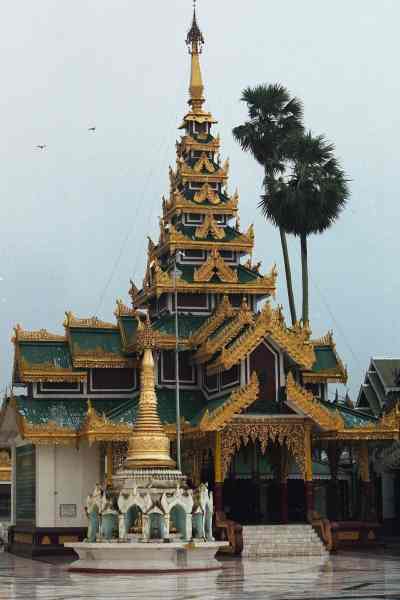
Swe Dagon pavilion, Yangon... Mar 2000
[EOS, Ektachrome slide]
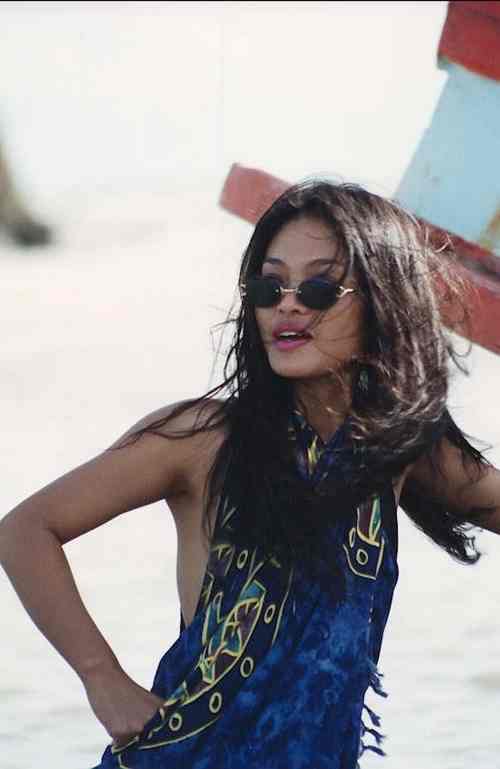
Sarong & boat... Mar 1999 [EOS, print]
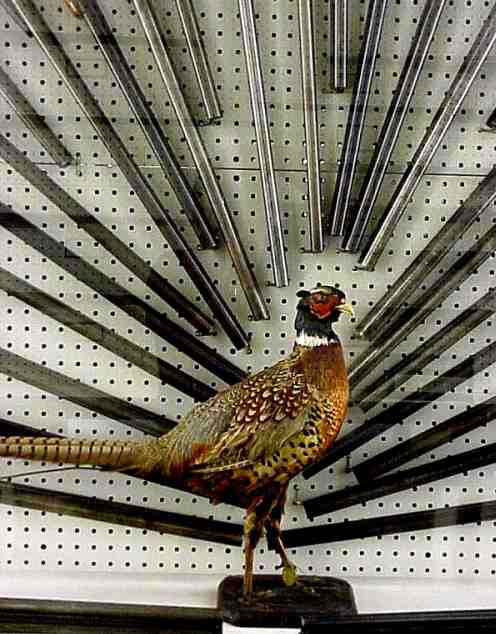
Oops! Davis museum... Oct 2000 [digital]
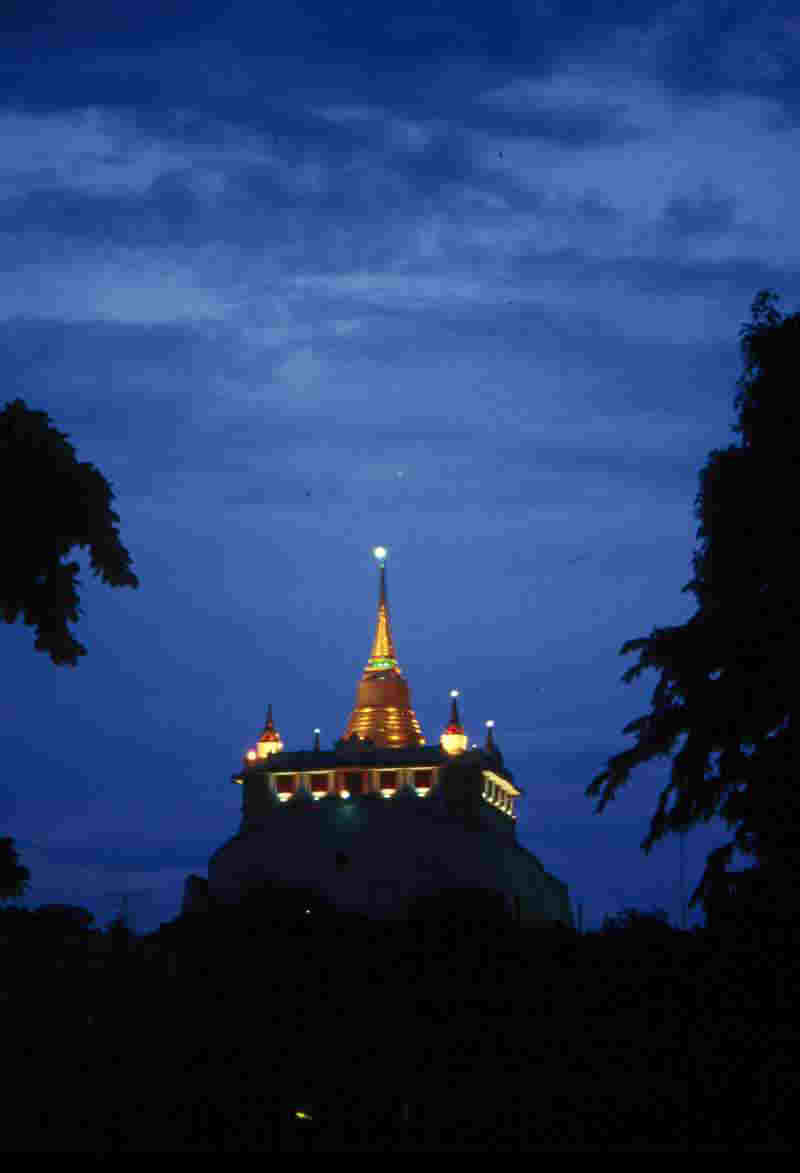
Golden Mont... Aug 2000 [EOS, slide]
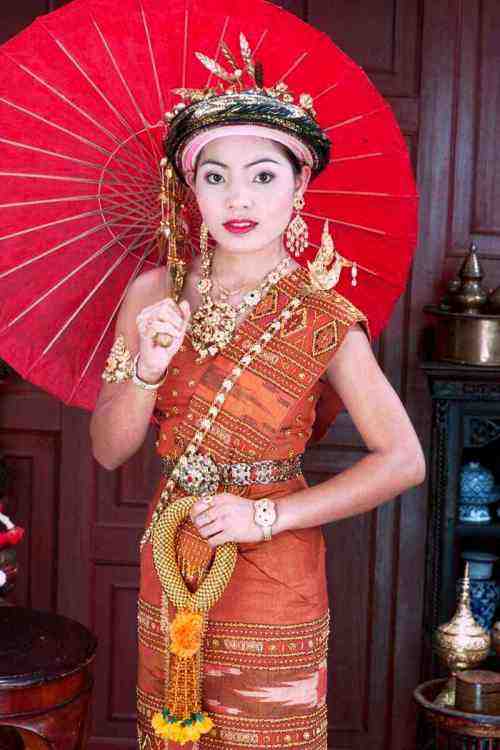
Laotian
tradition... May 2001 [EOS, print]
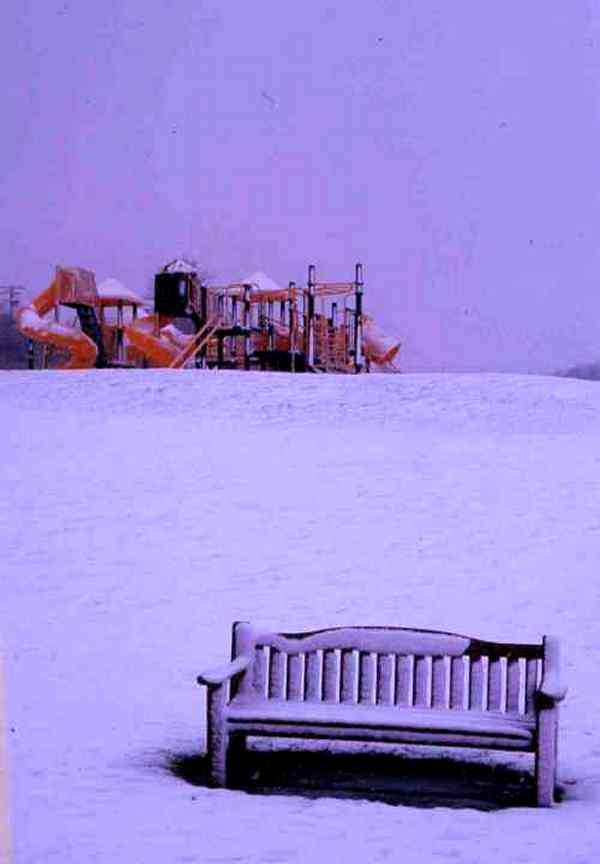
Snow
playground... Mar 2000 [EOS, slide]
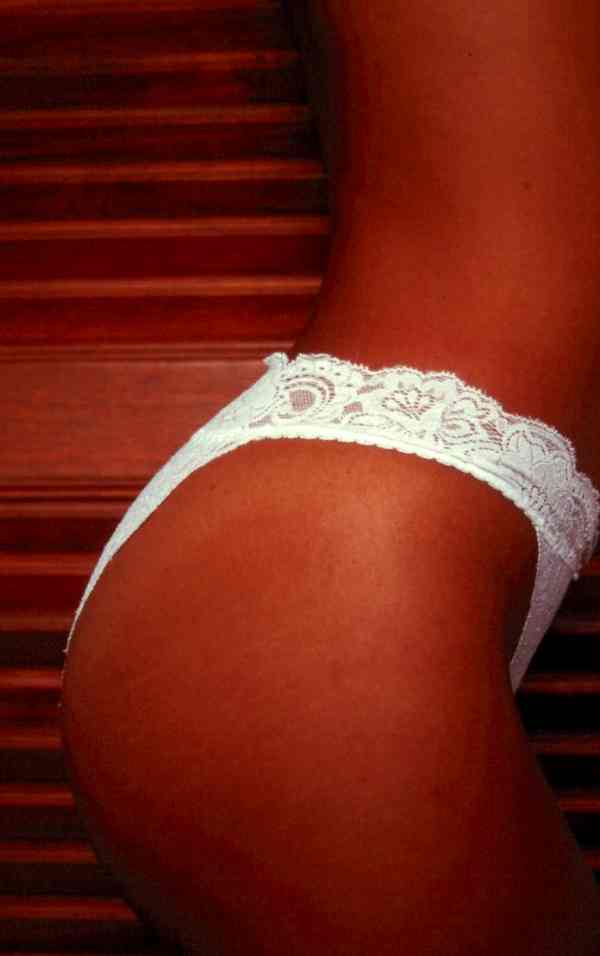
Lines & curves... Oct 1997 [EOS, slide]
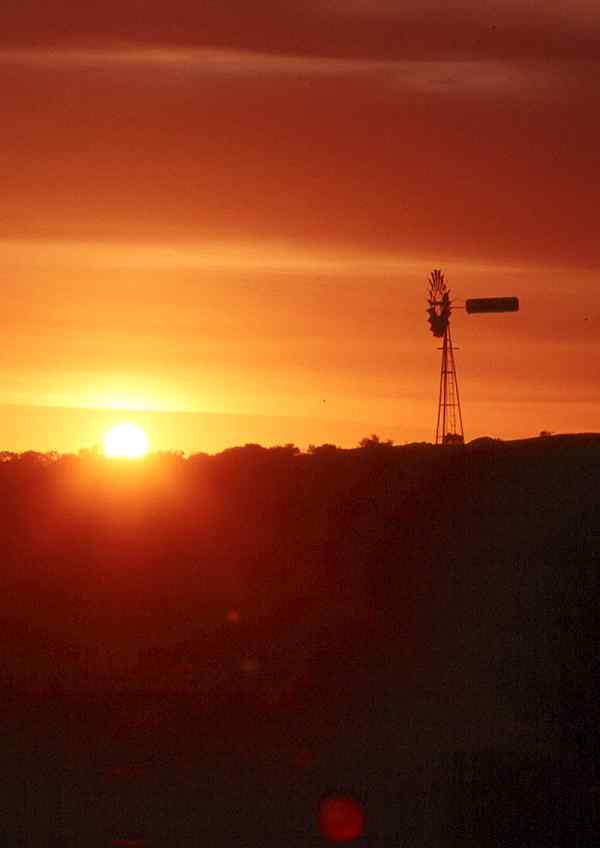
Sunrise, Broken Hill... Jul 1987
[EOS, slide]
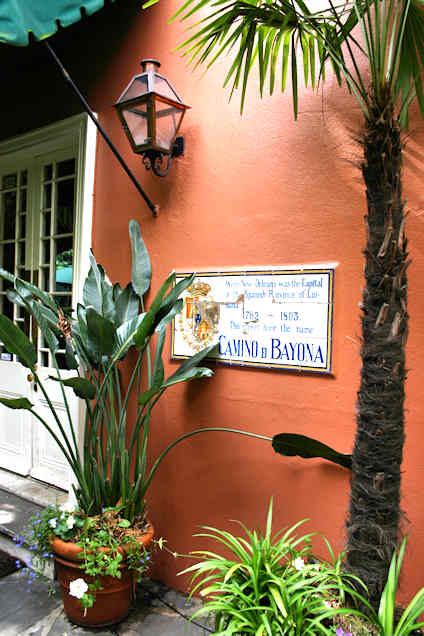
New Orleans... Apr 2005 [EOS 40D]
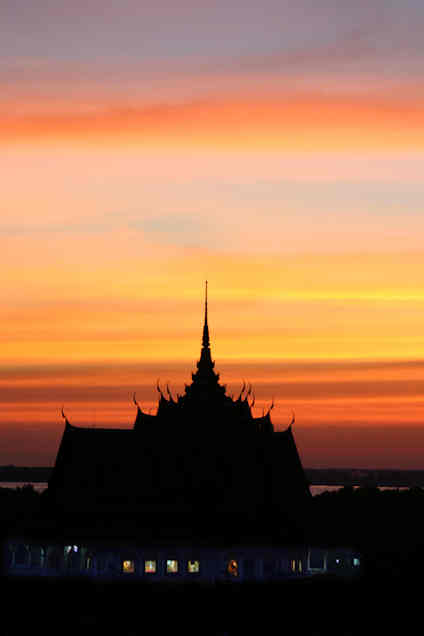
Wat Garam Bangkok... May 2005 [EOS 40D]
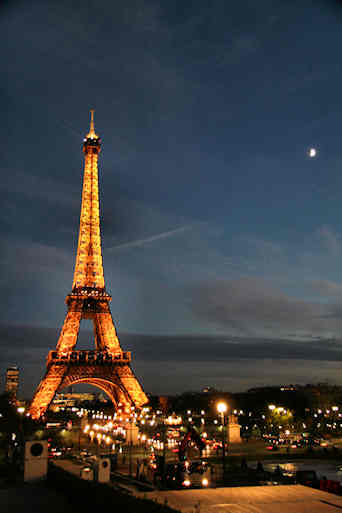
Eiffel Tower, Paris... Nov 2006 [EOS 40D]
|
